


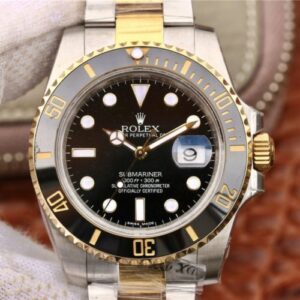
Gold Watch
There are a ton of super clone gold watches on the market right now, but the craftsmanship varies and the final look can be a bit different from one to another. The main methods used are PVD plating, gold wrapping, and water plating. These three processes cost different amounts to produce, and which one gets used usually depends on the specific model and the factory making it.
Materials and Finishing for Super Clone Gold Watches
1. PVD Plating
This is the most common method used for super clone watches. The process happens in a vacuum chamber where gold material gets vaporized and then bonds to the surface of a stainless steel case, forming a dense gold layer. Unlike old-school electroplating, PVD coatings stick better, last longer, and the color looks a lot closer to real 18k gold. Take the Rolex Green Gold Daytona from Clean Factory for example—they use a 904L steel case with a detailed PVD treatment that gives it almost the exact same shade and feel as 18k yellow gold. VS Factory’s two-tone Submariner series also uses steel cases with gold plating, and the finish has a warm glow that doesn’t look cheap or fade too fast.
The upside of PVD is that the cost is reasonable and the color matching is pretty consistent. The downside is the gold layer is only a few microns thick—maybe up to a dozen or so—so if you wear the watch daily for years, there’s still a chance of some fading or wear showing up.
2. Gold Wrapping
This method uses a thicker sheet of gold foil that gets bonded to the stainless steel base using high heat and pressure. Because the layer is way thicker, you basically won’t see any fading or color loss during normal wear. Before wrapping, the factory usually customizes the gold tone to match the genuine article, tweaking the copper content to get the exact shade of 18k yellow, white, or rose gold. One thing to keep in mind though—the weight still won’t match a solid gold piece.
3. Water Plating
This is an older, cheaper way to plate gold. A lot of super clone manufacturers have already moved on from this technique and you don’t see it nearly as much anymore. The scratch resistance and durability just aren’t that great. But if you’re just getting into the hobby and want something decent without spending a lot, the value for money is still okay.
-
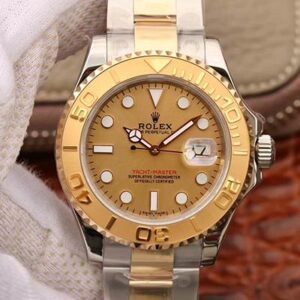
Rolex Yacht Master 116623 Super Clone Watch Champagne Dial
- Brand Rolex
- Range Yacht Master
- Model 116623
- Gender Mens
- Movement SWISS ETA 2836-2 Automatic Movement 28800bph Like Genuine
- Case Size 40 mm
653.00$ -
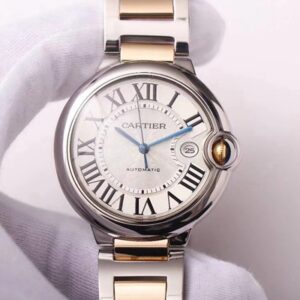
V9 Factory Cartier Ballon Bleu W69009Z3 Super Clone Watch Date Display
- Brand Cartier
- Range Ballon Bleu
- Model W69009Z3
- Gender Mens
- Movement Swiss ETA9015 Automatic Movement
- Case Size 42 mm
- Factory V9 Factory
438.00$ -
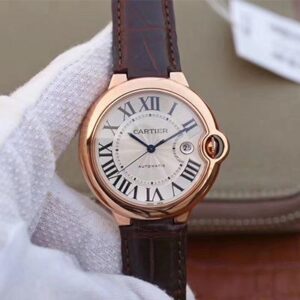
V9 Factory Cartier Ballon Bleu WGBB0017 Super Clone Watch Alligator Leather
- Brand Cartier
- Range Ballon Bleu
- Model WGBB0017
- Gender Mens
- Movement SWISS ETA 2824-2 Automatic Movement 28800bph
- Case Size 42 mm
- Factory V9 Factory
538.00$ -
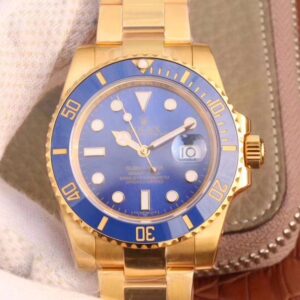
VR Factory Rolex Submariner 116618LB Super Clone Watch Date Display
- Brand Rolex
- Range Submariner
- Model 116618LB
- Gender Mens
- Movement SWISS ETA 2836-2 Automatic Movement 28800bph
- Case Size 40 mm
- Factory VR Factory
996.00$ -
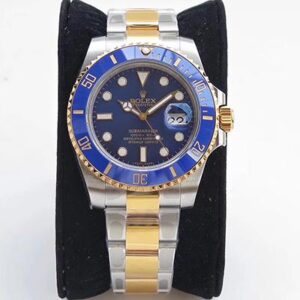
VR Factory Rolex Submariner Date 116613LB Super Clone Watch Blue Dial
- Brand Rolex
- Range Submariner
- Model 116613LB
- Gender Mens
- Movement SWISS ETA 2836-2 Automatic Movement 28800bph
- Case Size 40 mm
- Factory VR Factory
689.00$ -
VR Factory Rolex Submariner Date 116613LN Super Clone Watch Black Dial
- Brand Rolex
- Range Submariner
- Model 116613LN
- Gender Mens
- Movement SWISS ETA 2836-2 Automatic Movement 28800bph
- Case Size 40 mm
- Factory VR Factory
689.00$ -
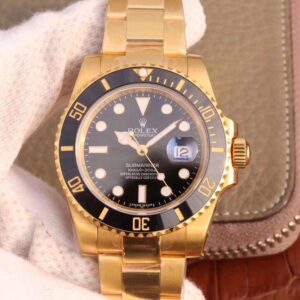
VR Factory Rolex Submariner Date 116618LN Super Clone Watch Ceramics
- Brand Rolex
- Range Submariner
- Model 116618LN
- Gender Mens
- Movement SWISS ETA 2836-2 Automatic Movement 28800bph
- Case Size 40 mm
- Factory VR Factory
996.00$